Gestational diabetes grows during pregnancy. It affects how cells use glucose. Gestational diabetes causes high blood sugar that can affect the pregnancy and your baby's health.


Watermelon contains more of natural sweetened components which is surely usually safe for someone with diabetes to consume as part of their diet.


There are some signs that may issue warnings that you are leaving with diabetes, you should see your medical doctor if you are experiencing any of the following signs or need to have your blood glucose levels measured.
Thirst
Do you find that you are constantly thirsty and need to hydrate very often?
Blurred vision
Having blurred vision or visual disturbances are one of the symptoms of diabetes. Have your eyes checked if you find that you cannot see clearly or experience changes to your eyesight.
Wounds Healing
Be aware of how long it takes for your sores as well as cuts to heal and get better. Slow healing is another sign of diabetes and skin infections often result because of this.
Itchy Skin
Skin may become itchy and many women who are diabetic often experience itchy skin.
Vaginal Thrush
Women can have the symptoms of vaginal itch which shows signs of diabetes.
Eating patterns
You may notice that your eating patterns have changed whereby you feel hungry more than usual.
Weight loss
Diabetes may bring about weight loss. So if you find that you are losing weight without doing anything to warrant it (such as engaging in more calorie burning activities), see your doctor.
Energy levels
You may experience a change in your energy levels whereby you may feel weak and constantly tired.
Use of toilet
People who have diabetes tend to urinate more than usual so be sure to see your doctor if you experience these symptoms, to test for diabetes.
Breastfeeding for six months or longer appears to significantly cut the risk of a type II diabetes, a 30-year old U.S. researcher said.
The Kaiser Permanente research, published in the U.S. journal JAMA Internal Medicine, analysed data from the Coronary Artery Risk Development in Young Adults (CARDIA) study, a national, multi-centre investigation that originally enrolled about 5,000 adults aged 18 to 30 in 1985 to 1986.
This study included 1,238 black and white women who did not have diabetes when they enrolled in CARDIA, or prior to their subsequent pregnancies.
Over the next 30 years, each woman had at least one live birth and was routinely screened for diabetes under the CARDIA protocol.
Participants also reported lifestyle behaviors such as diet and physical activity and the total amount of time they breastfed their children.
It showed that women who breastfed for six months or more across all births had a 47 per cent reduction in their risk of developing type II diabetes compared to those who did not breastfeed at all.
Women who breastfed for six months or less had a 25 per cent reduction in diabetes risk.
“We found a very strong association between breastfeeding duration and lower risk of developing diabetes, even after accounting for all possible confounding risk factors,” said lead author Erica Gunderson, senior research scientist with the Kaiser Permanente Division of Research.
The new findings added to a growing body of evidence that breastfeeding has protective effects for both mothers and their offspring, including lowering a mother’s risk of breast and ovarian cancer.
Previous research identifying an association between breastfeeding and protection against later diabetes was conducted in older women using self-reported diabetes.
Several plausible biological mechanisms are possible for the protective effects of breastfeeding, including the influence of lactation-associated hormones on the pancreatic cells that control blood insulin levels and thereby impact blood sugar.
Tracy Flanagan, director of women’s health for Kaiser Permanente Northern California said: “we have known for a long time that breastfeeding has many benefits both for mothers and babies.
“However, previous evidence showed only weak effects on chronic disease in women.
“Now we see much stronger protection from this new study showing that mothers who breastfeed for months after their delivery, may be reducing their risk of developing type II diabetes by up to one half as they get older.
“This is yet another reason that doctors, nurses, and hospitals as well as policymakers should support women and their families to breastfeed as long as possible.”
SOURCE: Premium Times
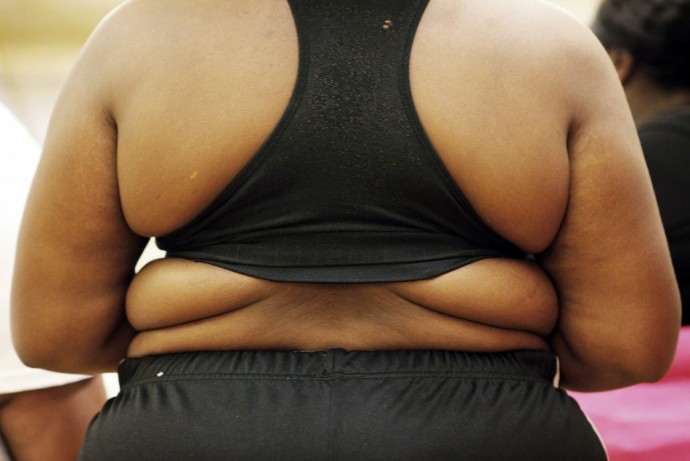
Weight loss could help reverse the effects of Type 2 diabetes in the course of a year
New UK study claims that a severe diet plan can permanently cure type 2 diabetes, even in patients who have had it for years.
A clinical trial of nearly 300 people aged between 20 and 65 showed that type 2 diabetes could be reversed after an extreme weight management plan. Eighty-six per cent of patients who lost 15kg (33lbs) or more went into remission.
The trial was supervised by professors Mike Lean and Roy Taylor of the University of Glasgow and the University of Newcastle respectively.
"These findings are very exciting," Taylor told Science Alert. "They could revolutionise the way type 2 diabetes is treated."
The Diabetes Remission Clinical Trial (DiRECT) randomly assigned patients to either an intensive weight management programme or regular care. The 149 participants in the weight programme would eat soups or health shakes to limit their calorie intake to 825-853 per day for three to five months.
After this first intense stage, other food was reintroduced into their daily diets and they were supported in their weight loss efforts by health professionals, including cognitive behavioural therapists. They also exercised more.
"We've found that people were really interested in this approach – almost a third of those who were asked to take part in the study agreed," explained Lean, a nutritionist.
"This is much higher than the usual acceptance rates for diabetes clinical trials."
Forty-six per cent of those in the weight programme went into remission. The level of remission depended on the level of weight loss, said the researchers.
Of the 36 people who lost at least 15kg 86% reversed their diabetes. More than half - 57% - of those who lost between 10 and 15kg - 28 - also went into remission. Among people who lost between 5 amd 10kg or less, 34% achieved some signs of remission.
In comparison, only 4% of the group treated with regular diabetes care showed signs of remission.
The researchers highlighted how nutrition alone could revolutionise the way we see diabetes treatments.
SOURCE: IBITIMES
Type 2 diabetes is not necessarily for life, with a new clinical trial providing some of the clearest evidence yet that the condition can be reversed, even in patients who have carried the disease for several years.
A clinical trial involving almost 300 people in the UK found an intensive weight management program put type 2 diabetes into remission for 86 percent of patients who lost 15 kilograms (33 lbs) or more.
"These findings are very exciting," saysdiabetes researcher Roy Taylor from Newcastle University.
"They could revolutionise the way type 2 diabetes is treated."
Taylor and fellow researchers studied 298 adults aged 20-65 years who had been diagnosed with type 2 diabetes within the previous six years to take part in the Diabetes Remission Clinical Trial (DiRECT).
Participants were randomly assigned to either an intensive weight management program or to regular diabetic care administered by their GP, acting as a control group.
For the 149 individuals placed in the weight management program, participants had to restrict themselves to a low calorie formula diet consisting of things like health shakes and soups, limiting them to consuming 825-853 calories per day for a period of three to five months.
After this, food was reintroduced to their diet slowly over two to eight weeks, and participants were given support to maintain their weight loss, including cognitive behavioural therapy and help with how to increase their level of physical activity.
Not an easy lifestyle change to adapt to, perhaps; but where there's a will, there's a way.
"We've found that people were really interested in this approach – almost a third of those who were asked to take part in the study agreed," says nutritionist Mike Lean from the University of Glasgow.
"This is much higher than usual acceptance rates for diabetes clinical trials."
For most of the people willing to make the sacrifices, the effort – based on the first year's results, reported this week – was more than worth it.
Almost 90 percent of those who lost 15 kilograms (33 lbs) or more, successfully reversed their type 2 diabetes. More than half (57 percent) of those dropping 10 to 15 kilograms (22 to 33 lbs) achieved remission also.
For those who lost less weight – between 5 to 10 kilograms (11 to 22 lbs) – the reversal still worked for more than a third (34 percent) of participants.
When you consider that the control group receiving standard diabetic care management only saw a 4 percent remission rate, it's clear that an interventionist weight loss strategy is a strong bet for type 2 diabetes patients who want to reverse their condition.
In the study, the average weight loss in the weight management group was 10 kilograms – whereas the control group participants only lost 1 kilogram.
Almost a quarter of the individuals in the weight management program achieved weight loss of 15 kilograms or more by 12 months, compared with none of the controls.
It's worth noting that the vast majority of participants were white and British, so we should be cautious in assuming whether people from other backgrounds would see the same benefits from this kind of intervention.
Nonetheless, the researchers say their results show dietary intervention alone could help us revolutionise how we think about type 2 diabetes and its treatment, as it clearly isn't the lifelong, chronic condition scientists once assumed it was.
Of course, the reversal isn't permanent if people revert to unhealthy ways of eating – which in most cases would have contributed to their type 2 diagnosis in the first place.
As the DiRECT trial continues, it will be interesting to see just how many of the group can hold onto their weight loss success. For now at least, it's clear that many lives have been changed.
"I had type 2 diabetes for two to three years before the study. I was on various medications which were constantly increasing and I was becoming more and more ill every day," says 65-year-old Isobel Murray from North Ayrshire, who didn't hesitate when she was invited to take part in the trial.
"When the doctors told me that my pancreas was working again, it felt fantastic, absolutely amazing. I don't think of myself as a diabetic anymore… I am one of the lucky ones to have gone into remission."
SOURCE: Sciencealert
Former President of Nigeria Olusegun Obasanjo in the early hours of Friday led hundreds of people on road walk for diabetes awareness in Abeokuta, the Ogun State capital, declaring that he still walk with agility at 80, despite being diabetic.
Obasanjo revealed that he was diagnosed of diabetes over 30 years ago but said the condition has not affected his daily routines because of efficient management of it, exercise and strict adherence to prescribed drugs for Diabetes.
According to him, diabetes does not kill if well managed, but only bares its fangs and kills those who do not give a damn about it.He said
“Diabetes is not a disease that should kill, I was diagnosed to be diabetic more than 30 years ago but rather, I am growing strong, if you don’t believe I am growing strong and you didn’t witness this walk, come and see me at night, you will know I am growing strong, come and see me in the morning, you will know I am growing, even in the afternoon, you will know I am growing strong.
“What is necessary is a management of diabetes. Some people said some diseases are incurable, but diabetes is manageable and compliant.
“My headmaster in primary school was diagnosed at the age of 50 and died at age 85, you will agree with he tried.
“What to do is that if you’re diabetic don’t be nonchalant about it and don’t eat carelessly. Three things are important, the food you eat, regular exercise and prescribed medication, those are the three most important things.“You can be diabetic and still lives till 100, I don’t know when I would die but I am above 80 and many of the youth could not catch up with my pace during the exercise this morning, many of them were running to keep pace me.
“This is my message. Whether you’re diabetic or you have a family or friend with diabetic, diabetes is not a killer disease or it should not be a killer disease unless you are careless,” Obasanjo said.
The Nation
misspetitenaijablog.com
Various health benefits of consuming foods rich in vitamins and minerals such as fruits, whole grain and vegetables, Patient living with diabetes should stop limiting themselves to consumption of only beans and unripe plantain but can eat any locally available and culturally acceptable food in moderation.
The reason is that there is no special diet for diabetes, and there is nothing like diabetes diet, say experts.
Contrary to the common notion that diabetes is caused by excessive consumption of sugar or certain types of foods, experts have revealed that it is not sugar or foods that cause diabetes.
They made this assertion in Lagos at a Capacity Building Workshop on Diabetes for Health Journalists to commemorate the 2017 World Diabetes Day with the theme, “Women and Diabetes —Our Right to a Healthy Future’’.
The workshop which had the theme, “Equipping Present-day Journalists for Effective Reporting of Diabetes’’, was organised by Sanofi Aventis Pharma Nigeria, a global healthcare organisation to help journalists have better understanding and accurately report issues around diabetes in order to increase public understanding about the condition.
According to the experts, diabetes is caused by the body’s inability to manage glucose and not by too much sugar consumption nor foods; they added that a diabetic can eat everything.
Diabetes, World Health Organisation (WHO) says, is a chronic disease that occurs either when the pancreas does not produce enough insulin or when the body cannot effectively use the insulin it produces. Insulin is a hormone that regulates blood sugar.
Demystifying some of the myths surrounding the disease -especially in the area of nutrition, an Endocrinologist and Senior Lecturer, Department of Medicine, College of Medicine, University of Lagos, Dr Ifedayo Odeniyi, noted that diabetes is a problem with the body’s handling of glucose.
Odeniyi explained: “Most people believe that when you have diabetes, it is because you eat too much sugar, this is not correct.
“Diabetes is not as a result of consuming sugar or sugary things, but rather, it is as a result of the body’s inability to handle glucose in the body.
“The glucose comes from all the foods we eat – whether it is meat, carbohydrate, protein or fat; so, in their normal forms, the body does not recognise them.
“The only thing the body recognises is glucose as a source of energy; when we consume baked cassava’, fufu’ foods prepared from cassava, rice and others, the body changes them to glucose.”
He called on Nigerians living with diabetes to come out of the ignorance of consuming only beans, unripe plantain and wheat and embrace every healthy diet.
“We have often heard that the diet of diabetics should be beans and unripe plantain, but that is not correct. There is no special diet for diabetes, and there is nothing like diabetes diet. A diabetic can eat everything”, he maintained.
Odeniyi further revealed that the erroneous consumption of only beans and unripe plantain by those living with diabetes have closed their eyes to rich available food in our environment.
“They are even denied meat. Unfortunately, some doctors say diabetic patients should be on beans, but beans is not protein, it is actually 60 per cent carbohydrate, while even plantain is 70 per cent carbohydrate. “The diabetic should eat everything in moderation”, he stated.
The body needs glucose for energy for us to move around, eyes to see, brain to function and for every part of the body to function well, he stressed, affirming that healthy diet, regular physical activity, maintaining a normal body weight and avoiding tobacco use are ways to prevent or delay the onset of diabetes.
Beside nutrition, Odeniyi urged those diagnosed of diabetes to seek early and proper treatment from qualified medical practitioners.
He however identified oily foods, butter, dairy products, carbonated drinks, alcohol, sweets, sucrose, salty and fast foods as some of the things to avoid.
In his remarks, Head, External Affairs, Sanofi, Mr Oladimeji Agbolade said that diabetes had become a global pandemic.
Agbolade pointed out that as at 2015, it was estimated that 415 million adults have diabetes and it is expected to rise to 642 million by 2040.
He said that managing the disease was tedious and time-consuming but required effective management which would include taking extra care around food and exercise, as well as monitoring of blood sugar levels throughout the day.
Agbolade therefore, urged the federal government to make a policy that would ensure that Nigerians were compulsorily tested for diabetes anytime they went to hospital.
The World Diabetes Day is marked annually on November 14 to raise awareness about the way the health problem affects people on a global scale.
The main objective of this year’s theme: “Women and Diabetes —Our Right to a Healthy Future’’, is to promote the importance of affordable and equitable access to medical care for all women. ”
According to statistics from International Diabetes Federation (IDF) , there are currently over 199 million women living with diabetes and this total is projected to increase to 313 million by 2040.
CULLED FROM DAILY POST


