Depression is a mood disorder that causes a persistent feeling of sadness and loss of interest. Also called major Depression, major depressive disorder or clinical Depression, it affects how you feel, think and behave and can lead to a variety of emotional and physical problems.
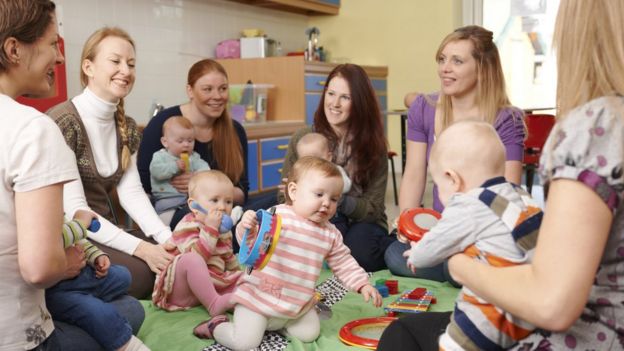
Researchers have found out that women who took part in groups of singing sessions with their babies experienced a much faster improvement in their symptoms than those who did not.
The study, published in the British Journal of Psychiatry looked at over 130 mothers with post-natal depression.
Early recovery is seen to be crucial to limit effects on mother and baby.
Post-natal depression is estimated to affect one in eight new mothers.
Previous studies have indicated that singing can help improve the mental health of older humans and those with dementia, but this is the first controlled study of its effect on post-natal depression.
The women were placed into three different groups:
one took part in group singing
another took part in in creative play sessions
a third group received their usual care, which could include family support, antidepressants or mindfulness
Image copyright
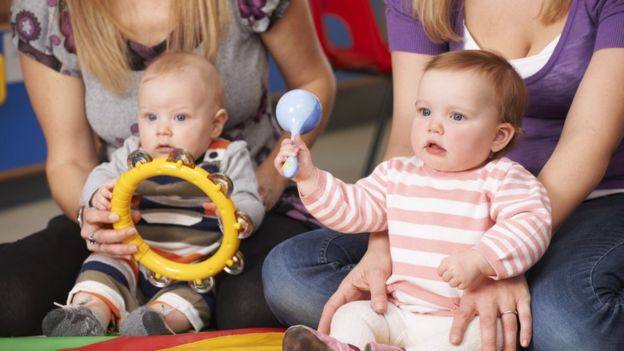
The singing workshops saw the mothers learning lullabies and songs from around the world with their babies and creating new songs together about motherhood.
And those with moderate to severe symptoms of post-natal depression reported a much faster improvement than mothers in the usual care and play groups.
All the groups improved over the 10 weeks, but in the first six weeks the singing group had already reported an average 35% decrease in depressive symptoms.
Principal investigator Dr Rosie Perkins said the study, although small, was significant because it was important to tackle the symptoms as quickly as possible.
"Post-natal depression is debilitating for mothers and their families, yet our research indicates that for some women something as accessible as singing with their baby could help to speed up recovery at one of the most vulnerable times of their lives," she said.
Lead author Dr Daisy Fancourt, from University College London, said singing was another useful therapy to offer women.
"Many mothers have concerns about taking depression medication whilst breast-feeding and uptake of psychological therapies with new mothers is relatively low," she said.
"So these results are really exciting as they suggest that something as simple as referring mothers to community activities could support their recovery."
Image copyright
Dr Trudi Seneviratne, who chairs the Royal College of Psychiatrists' Perinatal Faculty, said: "It's exciting to hear about the growing evidence base for novel psychosocial interventions such as singing to facilitate a more rapid recovery for women with post-natal depression.
"I look forward to more work in this area in the future, as it will be enjoyed by both mothers and their babies."
Since the study, Breathe Arts Health Research has started running singing workshops in partnership with Guy's and St Thomas' NHS Foundation Trust for women with post-natal depression across the south London boroughs of Lambeth and Southwark. CONTINUE READING
Vegetables, legumes and nuts that's low in
processed meats could ward off depression, according to a new
study that suggests what we eat is more closely related to our state of
mind than previously thought.
While the intake of hallucinogenic drugs causes a temporary acute
change in levels of neurotransmitters, the chronic changes brought on by
daily intake of psycho-active pills have unknown long-term effects.
Previous research has supported the idea that exercising could fight
off depression, and many doctors suggest that their patients exercise,
sometimes in conjunction with taking anti-depressants and psychotherapy.
A healthy diet may reduce the risk of severe depression,
according to a prospective follow-up study of more than 2,000 men
conducted at the University of Eastern Finland. In addition, weight loss
in the context of a lifestyle intervention was associated with a
reduction in depressive symptoms.
You know that depression is dangerous for your mental health. But did
you know it’s also dangerous for your physical health? Untreated or
uncontrolled depression can take a big toll on you physically.
Depression can make you sick and keep you from taking care of yourself
when you are sick. A depression treatment plan can help you avoid these
eight health risks linked to depression.
1. Depression and Heart Disease
Studies show that depression can lead to heart disease, make heart
disease worse, and make it more difficult to recover from complications
of heart disease. Depression can even increase your risk of having a
heart attack.
If testosterone levels are low, a man may feel blue, tired or
irritable. He may have lower sexual desire and decreased confidence. He
may be mentally sluggish. In such cases, testosterone treatment may
help.
It’s common to feel sad or discouraged at times, but these feelings
generally pass in a few days. With depression, sadness is severe and
lasts for a much longer time. Depression is a common and serious illness
that causes real pain. But therapy with antidepressant medication is
often very effective. It can lift your mood and help you feel like
yourself again.
Exercise can help people with mild depression. I would not depend on it to treat severe mood problems. But even there, exercise provides many important health benefits.
Depression can look very different in men and women. And many of its hallmarks — rage, risk-taking, substance abuse and even workaholism — can hide in plain sight.
Clinical
depression—in women or men—can cause sadness and a loss of interest in
once pleasurable activities. But depression can sometimes manifest in
different ways in different people.
"While the symptoms used to
diagnose depression are the same regardless of gender, often the chief
complaint can be different among men and women," says Ian A. Cook, MD,
the Miller Family professor of psychiatry at the University of
California–Los Angeles.
Fatigue
People who are depressed undergo a series of physical and emotional
changes. They can experience fatigue, as well as psychomotor
retardation, or a slowing down of physical movements, speech, and
thought processes.
How I Was Raped By A Police Officer
-
A Woman identified as Gladys in one of the town in Lagos state, has shared
a sad experience on how she was allegedly raped by a Nigerian security
officer...
All material on this website is provided for your information only and may not be construed as medical advice or instruction. No action or inaction should be taken based solely on the contents of this information; instead, readers should consult appropriate health professionals on any matter relating to their health and well-being.