google.com, pub-4988895920620082, DIRECT, f08c47fec0942fa0
Showing posts with label Type 2 Diabetes. Show all posts

Wednesday, January 17, 2018

Breastfeeding For Over Six Months Can Reduce Risk Of Diabetes

Breastfeeding for six months or longer appears to significantly cut the risk of a type II diabetes, a 30-year old U.S. researcher said.

The Kaiser Permanente research, published in the U.S. journal JAMA Internal Medicine, analysed data from the Coronary Artery Risk Development in Young Adults (CARDIA) study, a national, multi-centre investigation that originally enrolled about 5,000 adults aged 18 to 30 in 1985 to 1986.

This study included 1,238 black and white women who did not have diabetes when they enrolled in CARDIA, or prior to their subsequent pregnancies.

Over the next 30 years, each woman had at least one live birth and was routinely screened for diabetes under the CARDIA protocol.

Participants also reported lifestyle behaviors such as diet and physical activity and the total amount of time they breastfed their children.

It showed that women who breastfed for six months or more across all births had a 47 per cent reduction in their risk of developing type II diabetes compared to those who did not breastfeed at all.

Women who breastfed for six months or less had a 25 per cent reduction in diabetes risk.

“We found a very strong association between breastfeeding duration and lower risk of developing diabetes, even after accounting for all possible confounding risk factors,” said lead author Erica Gunderson, senior research scientist with the Kaiser Permanente Division of Research.

The new findings added to a growing body of evidence that breastfeeding has protective effects for both mothers and their offspring, including lowering a mother’s risk of breast and ovarian cancer.

Previous research identifying an association between breastfeeding and protection against later diabetes was conducted in older women using self-reported diabetes.

Several plausible biological mechanisms are possible for the protective effects of breastfeeding, including the influence of lactation-associated hormones on the pancreatic cells that control blood insulin levels and thereby impact blood sugar.

Tracy Flanagan, director of women’s health for Kaiser Permanente Northern California said: “we have known for a long time that breastfeeding has many benefits both for mothers and babies.

“However, previous evidence showed only weak effects on chronic disease in women.

“Now we see much stronger protection from this new study showing that mothers who breastfeed for months after their delivery, may be reducing their risk of developing type II diabetes by up to one half as they get older.

“This is yet another reason that doctors, nurses, and hospitals as well as policymakers should support women and their families to breastfeed as long as possible.”

SOURCE: Premium Times
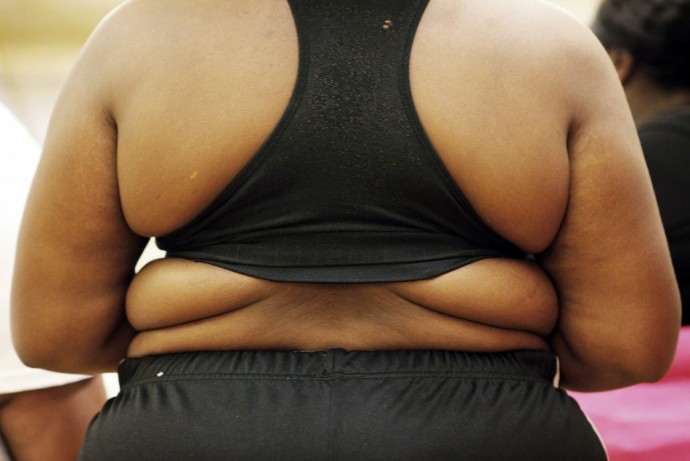
Saturday, December 09, 2017

Extreme Diet Could Cure Type 2 Diabetes, Researchers Reports


Weight loss could help reverse the effects of Type 2 diabetes in the course of a year

New UK study claims that a severe diet plan can permanently cure type 2 diabetes, even in patients who have had it for years.

A clinical trial of nearly 300 people aged between 20 and 65 showed that type 2 diabetes could be reversed after an extreme weight management plan. Eighty-six per cent of patients who lost 15kg (33lbs) or more went into remission.

The trial was supervised by professors Mike Lean and Roy Taylor of the University of Glasgow and the University of Newcastle respectively.

"These findings are very exciting," Taylor told Science Alert. "They could revolutionise the way type 2 diabetes is treated."

The Diabetes Remission Clinical Trial (DiRECT) randomly assigned patients to either an intensive weight management programme or regular care. The 149 participants in the weight programme would eat soups or health shakes to limit their calorie intake to 825-853 per day for three to five months.

After this first intense stage, other food was reintroduced into their daily diets and they were supported in their weight loss efforts by health professionals, including cognitive behavioural therapists. They also exercised more.

"We've found that people were really interested in this approach – almost a third of those who were asked to take part in the study agreed," explained Lean, a nutritionist.

"This is much higher than the usual acceptance rates for diabetes clinical trials."

Forty-six per cent of those in the weight programme went into remission. The level of remission depended on the level of weight loss, said the researchers.

Of the 36 people who lost at least 15kg 86% reversed their diabetes. More than half - 57% - of those who lost between 10 and 15kg - 28 - also went into remission. Among people who lost between 5 amd 10kg or less, 34% achieved some signs of remission.

In comparison, only 4% of the group treated with regular diabetes care showed signs of remission.

The researchers highlighted how nutrition alone could revolutionise the way we see diabetes treatments.

SOURCE: IBITIMES

Monday, June 12, 2017

Legumes Can Help Reduce Risk of Diabetes

Legumes are group of food rich in vitamins B which contain various beneficial minerals (magnesium, calcium and potassium) and are considered to have much amounts of fibre, and have a low glycemic index, {the increase of blood glucose levels is gradual after consumption}. Because of these unique nutritional qualities, consuming legumes regularly can boost your health.

Thursday, December 24, 2015

Dietary Supplements for Diabetes

Most health experts agree that you should get vitamins and minerals from the food you eat. Even so, more and more people are trying dietary and herbal supplements.

Saturday, November 21, 2015

Type 2 Diabetes Trial Results Published In Diabetes Care


Type 2 diabetes is associated with aberrant immune activation and inflammation of various organs, including kidney, liver and fat tissues, resulting in resistance to the effects of insulin in the fat tissues, and poor glucose control.

Sunday, October 18, 2015

Different Signs You May Have Diabetes

Type 2 diabetes is strongly linked with being overweight especially carrying too much weight around the middle, and with being inactive.

Monday, July 13, 2015

Type 2 Diabetes May Develop Problems

People with type 2 diabetes may develop problems with blood flow in the brain, which could lower their thinking and memory skills, a small study suggests.


Wednesday, September 17, 2014

Whole Milk And Cream Could Lower Diabetes Risk


A recent research study presented at this year's annual meeting of the European Association for the Study of Diabetes (EASD) in Vienna,

Wednesday, December 04, 2013

Vitamin D May Cure Type 2 Diabetes: Supplements Improve Pain, Combat Depression In Women


Patients with type 2 diabetes may feel overwhelmed by the daily stresses of diabetes management. Complications, such as nerve damage or trouble regulating blood sugar levels, could leave patients feeling depressed as if they’re losing control of their diabetes, and especially, their body. 


Saturday, October 05, 2013

Biological link between diabetes and heart disease found

Researchers from the UC Davis Health System have discovered a biological link between diabetes and heart disease, which may explain why diabetes sufferers have an increased risk for heart disease. This is according to a study published in the journal Nature.


Tuesday, September 03, 2013

Exercise Prescription for Diabetes

Exercise is excellent medicine for an ailing heart, or for keeping a healthy one healthy.
It’s just as important for type 2 diabetes.


Tuesday, August 27, 2013

Sleep Could Help In Preventing Type 2 Diabetes


Men who don't have enough sleep during the working week and catch up at the weekend could be reducing their risk of developing type 2 diabetes. This was the message from a US study presented at a scientific meeting this week.

Monday, July 15, 2013

Diabetes Kidney Damage Test

A quarter of people with diabetes do not get the kidney checks they need to detect early signs of damage, a charity suggests.


Wednesday, July 10, 2013

Signs You Might Be at Risk for Diabetes

Incredibly, one in four Americans over age 20 has prediabetes -- and most don't even know it. Being prediabetic means that your blood glucose levels are higher than normal but short of being classified as diabetic levels. Studies show that most people with prediabetes go on to develop type 2 diabetes within 10 years, unless they lose weight and make dietary and exercise changes.


Monday, July 08, 2013

Diabetes Has Higher Chances of Affecting Patient with Heart Disease - expert

In a recent study it has been found that diabetes, especially Type 2 diabetes, has a direct link with cardiovascular diseases. In fact, a person who suffers from diabetes is at a higher risk of developing heart diseases as compared to a non-diabetic person.


Wednesday, June 12, 2013

Short Walks After Meals May Help Lower Risk of Type 2 Diabetes

Taking a short stroll after a meal may help ward of diabetes.
New research has shown that walking each day after meals could reduce blood sugar levels in older adults. High blood sugar is one risk factor that can lead to Type 2 diabetes.

However, a 15-minute walk after each meal was better at helping older people in the study regulate their blood sugar levels than one long 45-minute jaunt.

Contact Form

Name

Email *

Message *