
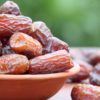

Scientists have identified and validated more effective natural ways to boost red blood cell levels and improve quality of life of people living with sickle cell anaemia.
Nigerian researchers have in clinical studies shown that extracts of date palm, beetroot, nettle, fluted pumpkin, cowhage or velvet bean, pawpaw, fig tree and sorghum could be effectively used to improve blood count, as an alternative or compliment to blood transfusion, and heal anaemic conditions such as in sickle cell anaemia and malaria.
Sickle-cell disease (SCD) is a group of blood disorders typically inherited from a person’s parents. The most common type is known as sickle-cell anaemia (SCA). It results in an abnormality in the oxygen-carrying protein haemoglobin found in red blood cells.
This leads to a rigid, sickle-like shape under certain circumstances. Problems in sickle cell disease typically begin around five to six months of age. A number of health problems may develop, such as attacks of pain (“sickle-cell crisis”), anemia, swelling in the hands and feet, bacterial infections, and stroke. Long-term pain may develop as people get older. The average life expectancy in the developed world is 40 to 60 years.
Anaemia is a condition in which there is a deficiency of red cells or of haemoglobin in the blood, resulting in pallor and weariness.
A person is said to have anaemia when the number of red blood cells or the concentration of haemoglobin in the blood is low. Haemoglobin is a protein present inside the red blood cells and it helps in the transportation of oxygen to various parts of the body. Women are more prone to anaemia.
Anaemia is a common childhood disease in Nigeria and other developing countries. It is sometimes life threatening and may require urgent blood transfusion. However parents occasionally refuse blood transfusion because of religious or other reasons. Members of the Jehovah witness sect usually refuse blood transfusion for themselves and their wards because of some biblical injunction. The problems and costs attending blood transfusion in our poorly developed health services often tempt some parents to refuse the procedure. It is therefore imperative for physicians to be aware of all available alternatives to blood transfusion.
Until now, a healthy diet is a prerequisite for any anemic patients. Nutritionists recommend foods that are rich in Vitamin B12, folic acid and Vitamin C in the diet apart from most important ingredient iron.
Meanwhile, a sickler, pastor and medical laboratory scientist, Mr. Ugochukwu Gabriel Ejidike, is set to inaugurate a book on the genetic disorder captioned, “Unveiling Sickle Cell Anaemia: Cause, Effect, Treatment and Management” as well as a Non Governmental Organisation (NGO), Initiative For the Prevention and Cure of Sickle Cell Anaemia (IFPCSCA) on World Sickle Cell Day, June 19, 2018 by 10am at Orchids Hotel Asaba, Delta State.
Ejidike is a Principal Medical Laboratory Scientist with Nnamdi Azikiwe University Teaching Hospital Nnewi, Anambra State and Chief Executive Officer (CEO) of IFPCSCA.
Ejidike told The Guardian: “I am a victim of it and knowing what my family went through as result of this - the sleepless nights, constant visits to hospital and the long admissions - I started researching into the disease. I discovered I had a part to play in creating awareness and helping in its prevention and eradication - hence this book.”
Beetroot intake increases haemoglobin readings
Researchers have shown that intake of red beetroot juice caused increase in blood parameters.
The study published in ISABB Journal Of Food And Agriculture Science is titled “Effect of red beetroot (Beta vulgarisL.) intake on the level of some haematological tests in a group of female volunteers”.
The researchers were led by Nora M. Al-aboud of the Department of Biology, Umm Al-Qura University, Mecca, Saudi Arabia.The study discussed the effect of taking 8 g of beetroot for 20 days on the blood samples of female volunteers where the haemoglobin levels before and after the study was recorded
The results showed mild increasein haemoglobin readings, decrease in total iron binding capacity (TIBC), increase in ferritin and decrease in transferrin. Ferritin is found in most tissues as a cytosolic protein, but small amounts are secreted into the serum where it functions as an iron carrier. Plasma ferritin is also an indirect marker of the total amount of iron stored in the body, hence serum ferritin is used as a diagnostic test for iron-deficiency anaemia.
Transferrin is the main protein in the blood that binds to iron and transports it throughout the body. A transferrin test directly measures the level in the blood.
The study concluded: “In this study, we recorded obvious increasein serum iron level, mild increasein hemoglobin and ferritin after taking 8 g of beetroot for 20 days and thus it can be stated that beetroot might have some therapeutic properties for iron deficiency. So, it is suggested that beetroot be put within the dietary protocols for women at childbearing age after doing more advanced studies in this regard.”
Several studies have shown that beetroot is one of the richest sources of folate. Beetroot is also a source of fiber, potassium, manganese, iron, vitamin C, and a number of other vitamins and minerals. Results from several in vitro studies have demonstrated that betalains from beetroots possess powerful antiradical and antioxidant activity. Medicinally, the roots and leaves of the beet have been employed as a folk remedy to treat a wide variety of ailments.
Besides other active chemicals, beetroots contain a unique class of water-soluble, nonphenolic antioxidants, the betalains, including two classes of compounds, red betacyanins (principally betanin) and yellow
betaxanthines.
Recent studies have provided compelling evidence that beetroot ingestion offers beneficial effects for several pathologies, such as; hypertension, atherosclerosis, type 2 diabetes and dementia.
Hypertension in particular has been the target of many therapeutic interventions and there are numerous studies that show beetroot, delivered acutely as a juice supplement or in bread to significantly reduce systolic and diastolic blood pressure.
Date palm (Phoenix dactylifera, dabino in Hausa) boosts blood parameters
Nigerian researchers have demonstrated that date palm boost blood parameters orally administered.
The study published in International Journal of Biological and Medical Research (IJBMR) is titled “Haemopoietic activity and effect of crude fruit extract of phoenix dactylifera on peripheral blood parameters.”
Haemopoietic means pertaining to or related to the formation of blood cells.
Phoenix dactylifera (date palm), has been reported to posses a variety of pharmacological activities which indicate its usefulness in various kinds of diseases and disorders.
The present study was aimed at investigating the haemopoietic activity of crude fruit extract of Phoenix dactylifera and its effect on peripheral blood parameters.
Fifty Wistar rats weighing 100 to 200 grams and aged two to three months obtained from the Animal House of College of Medicine, University of Nigeria Enugu Campus were acclimatized for two weeks. They were divided into 10 groups of five rats per group labeled A1 ,A2, B1, B2, C1, C2, D1, D2, E1 and E2.
The first five groups were orally administered with graded doses of the crude Aqueous Extract of P. Dactylifera (AEPD) (A1=0.4, B1=0.1, C1=0.52, D1=0.90 mg/kg body weight and E1 [control]= 0.24ml Dimethylsulphoxide (DMSO) while the second five groups were orally administered with graded doses of the crude Methanolic Extract of P. Dactylifera (MEPD) (A2=0.4, B2=0.1, C2=0.52, D2=0.90 mg/kg body weight and E2[control]=0.24ml DMSO).
The administrations were once daily for 112 days. On Day 113, 2.5ml of blood samples were collected from each rat through the retro bulbar plexus of the median canthus of the eye into tri-potassium- Ethylenediamine tetracetic acid (K3-EDTA) anticoagulant container and bone marrow was also collected for the analysis using stantard operative procedure.
The results revealed dosage dependent significant increase in Absolute values, Red Blood Cell (RBC), Haemoglobin (Hb), Packed Cell Volume (PCV), Reticulocytes and Platelet count in both aqueous and methanolic extract when compared with the controls. The total and differential white blood cell counts and bone marrow examination did not differ significantly when compared with the controls.
Fluted pumpkin
Commonly called fluted pumpkin, Telfairia occidentalis is called Ugu in Ibo; Aworoko, Eweroko in Yoruba, Ikong or Umee in Efik and Ibibio, and Umeke in Edo
Nigerian researchers have shown the efficacy of fluted pumpkin vegetable extracts in the management of severe anemia in children.
According to the study published in The Internet Journal of Alternative Medicine and Tropical Journal of Pharmaceutical Research, case reports of two severely anaemic patients, whose parents refused blood transfusion and were subsequently managed with oral intakes of the fluted pumpkin vegetable extracts, with satisfactory rise in the haematocrit levels.
The results showed that the pre-pumpkin extracts administration pack cell volume of 15 per cent in both of them, rose to 20 per cent in one and 25 per cent in the other, 24 hours post administration of the extract.
The researchers concluded: “The fluted pumpkin vegetable extract was efficacious in the management of severe anaemia in these two children and may be useful in pediatric patients with severe anemia whose parents refuse blood transfusion. The vegetable extract may have an even greater role in the prevention of anaemia if intake is instituted early. Wider studies are needed to investigate these hypotheses.”
Cowhage and fig tree
Commonly called cowhage, velvet bean (Agbala or Agbaloko in Ibo and Werepe in Yoruba), the leaves and seeds of Mucuna pruriens could be effectively used to boost blood levels and fertility in women.
So patients with low blood levels may no longer have need for blood transfusion and taking of blood capsules or tonics. Also, women that are looking for the fruit of the womb need not despair.
A study published in journal Biokemistri by researchers from Nnamdi Azikiwe University, Awka, Anambra State, comparative effects of ethanolic extracts of Ficus carica (fig tree) and Mucuna pruriens leaves on haematological parameters in albino rats.
The comparative effects of the ethanolic extracts of Ficus carica and Mucuna pruriens on haematological parameters were investigated in albino rats. The animals were divided into three main groups: group 1 which, served as the control, received 5.0ml/kg body weight of normal saline, while groups two and three received a daily administration (per os) of 200mg/k/g body weight of extracts of M. pruriens and F. carica respectively for 14 days.
Results showed that the extracts significantly increased the haemoglobin concentration, Packed Cell Volume (PCV) and red blood cell count by the 14th day when compared with the control.
F. carica was found to be more effective than M. pruriens in elevating the red blood cell count, especially by the 14th day. The two extracts, however, significantly decreased the total white blood cell count, as well as the percentage neutrophils, when compared with the control group, but not significant between test groups, even by the 14thday. Phytochemical analyses showed the presence of alkaloids, flavonoids, saponins, cardiac glycosides and carbohydrates in both plants. Tannins were present in F. carica but not in M. pruriens. These results thus justify the ethnobotanical use of these plants as blood building herbs.
Sorghum
Also, researchers have demonstrated the anti-anaemic potentials of aqueous extract of sorghum (Sorghum bicolor) stem bark in rats.
Sorghum bicolor belongs to the plant family Poaceae. It makes a refreshing non-alcoholic beverage, kunu-zaki (in Hausa), and tasty pap, akamu (in Ibo), and thick porridge, tuwo dawa (in Hausa). It is fermented to make sorghum beer called burkutu or pito, or made into flour and mixed with bean flour then fried to make dawaki.
Temidayo Oladiji, T. O. Jacob and Musa Yakubu of the University of Ilorin, Kwara State, published the study in Journal of Ethnopharmacology.
The researchers investigated the effects of oral administration of aqueous extract of Sorghum bicolor stem bark at the doses of 200, 400 and 800 mg/kg body weight on iron sufficient and iron deficient weaning rats. Weaning rats of 21 days old were maintained on iron sufficient and iron deficient diets for six weeks before the administration of the aqueous extract of Sorghum bicolor stem bark at various doses for seven days. Proximate analysis of the iron sufficient and iron deficient diets showed that they were similar except in the amount of iron.
Phytochemical screening of the extract revealed the presence of alkaloids and saponins. Extract administration produced significant increase in haemoglobin, packed cell volume and red blood cells in iron sufficient and iron deficient groups. There was also significant increase in the catalase activity of the rat liver and kidney without any significant change in the serum catalase activity.
The results revealed that extract administration has restored the anaemic condition in the iron deficient group and thus lend credence to its use in folklore medicine in the management of anaemia.
Avocado, mango, pawpaw combo used for the treatment of pain, blood deficiencies
Another study published in African Journal of Biomedical Research evaluated pharmacological effect of a Nigerian Polyherbal health tonic tea in rats.
The researchers from the Departments of Pharmacology and Pathology/Forensic Medicine, Lagos State University College of Medicine, Ikeja, Lagos, conducted a fourteen day study, designed to investigate the haematological and biochemical effects of single, daily oral doses of 100 – 600 mg/kg of a Nigerian Polyherbal Tonic Tea (PHT) in four groups of adult Wistar rats.
Acute oral toxicity test of PHT at the limit dose of 5000 mg/kg was also conducted using Up-and-Down Procedure on statistical software programme (AOT425StatPgm, Version 1.0.). Results showed PHT to induce significant dose-related elevation in the PCV, platelet, total leukocyte counts and lymphocyte differentials, while causing significant suppression of granulocyte differentials in dose-related fashion. PHT, also, induced a significant dose-dependent rise in the fasting blood sugar, which was at variance with its folkloric use as an oral hypoglycemic agent. PHT did not induce mortality at the tested limit oral dose, indicating its relative oral safety up to 5000 mg/kg on acute exposure.
PHT is one of the several polyherbal remedies in Nigeria, used in folkloric medicine in Southwest Nigeria for the treatment of an array of diseases affecting humans. It is composed of pulverized, dried leaves of Persea Americana or avocado (Lauraeae), Morinda lucida (Rubiaceae), Magnifera indica or mango (Anacardiaceae), Carica papaya or pawpaw (Caricaceae), Vernonia amygdalina or bitter leaf (Compositae) and Cassia occidentalis or stinging weed/coffee weed (Caesalpiniaceae), all combined in equal weight ratio.
Morinda lucida belongs to the plant family Rubiaceae. It is commonly called Brimstone tree. It is Oruwo or Erewo in Yoruba, Eze-ogu or Njisi in Ibo.
PHT is used for the treatment of pain, blood deficiencies, hypertension, diabetes mellitus, malaria, fever, inflammations, as immune booster and in the improvement of blood circulation.
Pawpaw and sorghum
Also, Nigerian researchers have achieved 93 per cent anti-sickling properties and 84 per cent reversal activities with Carica papaya and Sorgum bicolor extract. Sorghum bicolor is commonly called guinea-corn or sweet sorghum. Guinea corn is called dawa in Hausa.
The study was published in African Journal of Pharmacy and Pharmacology by researchers from Adekunle Ajasin University, Akungba-Akoko, Ondo State and Obafemi Awolowo University, Ile-Ife, Osun-State.
Traditionally in Nigeria, S. bicolor is used as a blood builder and used in the treatment of sickle cell crisis. A four - five day cold infusion of a mixture of S. bicolor leaves and Carica papaya unripe fruit pulp is used by the Yorubas (western Nigeria) to alleviate bone pains.
A herbal preparation made with Sorghum bicolor has been able to boost blood levels (treat anemia), stop pain and inflammation, reverse cell damage (antioxidant), and increase cellular immunity in Persons Living With HIV/AIDS (PLWHA) in animal and human models.
Nigerian researchers have also shown the anti-sickling properties of crude juice extracts of the edible portions of three commonly consumed tropical fruits namely Persia Americana (avocado), Citrus sinensis (orange) and Carica papaya.
The study was published in African Journal of Traditional Complementary and Alternative Medicines.
Fagara zanthoxyloides and Cajanus cajan
Researchers have clearly demonstrated that plant-based antioxidants replete in Cajanus cajan (Pigeon pea in English, fio fio in Igbo), Fagara zanthoxyloides (Chewing stick in English, orin ata in Yoruba), fishes, fruits and vegetables, nuts and whole grains, and nutritional supplements can compensate for some inborn defect of sickle cell anaemia.
The studies suggest that for people with Sickle Cell Disorder (SCD), it means healthier red blood cells, less anaemia and pain, and other improvement in health.
Nigerian researchers have reported a randomised single-blind placebo controlled study, which showed that the extract of Cajanus cajan reduced the frequency of painful crises and possibly ameliorated the adverse effects of SCA on the liver in children aged one to15 years.
Cajanus cajan is a popular food in developing tropical countries and belongs to the plant family Fabaceae. Nutritious and wholesome, the green seeds (and pods) serve as vegetable.
The results of this study by researchers at the College of Medicine University of Lagos (CMUL)/Lagos University Teaching Hospital (LUTH), Idi-Araba, published in the Journal of Tropical Paediatrics, are encouraging when viewed in the light of increasing concern about the benefit of new conventional therapies like Hydroxyurea in an African setting where limited resources make widespread use, monitoring of side effects, and toxicities virtually impossible.
In summary, evidence from this study shows that the extract of Cajanus cajan appears to be safe, easily administered and efficacious in reducing painful crises and may offer increased benefit to patients with SCA in future.
Indian almond
Nigerian researchers have also studied the anti-sickling activity of Terminalia catappa leaves harvested at different stages of growth.
According to the study published in the Nigerian Journal of Natural Products and Medicine, the aqueous and ethanolic leaf extracts of Terminalia catappa, a fruit bearing tree, popular in folkloric medicine for the treatment of sickle cell anaemia disease were assessed for their in-vitro anti-sickling activities. Extracts were prepared from the reddish-brown freshly fallen leaves, reddish-brown leaves and green leaves of the plant by maceration in the solvents.
Indian almond is botanically called Terminalia catappa and belongs to the plant family combretaceae. It is found in almost every town and village in southern Nigeria.
Studies have shown that diabetes and its attendant complications (erectile dysfunction/premature ejaculation, leg ulcer/gangrene, liver/ kidney failure), lung cancer and sickle cell anaemia can be addressed with extracts of Indian almond.
CULLED FROM GUARDIAN


