google.com, pub-4988895920620082, DIRECT, f08c47fec0942fa0
Showing posts with label Women's World. Show all posts

Friday, December 29, 2017

Woman Dies After Buttock Implant Surgery

A woman has tragically died after having a buttock implant surgery.

Carolina Andrea Aguirre Castano, 38, passed away after agreeing to have the invasive cosmetic surgery at a hair and beauty spa in Medellin, Colombia.

She had silicone implants fitted into her bum cheeks to ‘enhance the shape’, and was injected with an unidentified substance.

But when Castano began to feel unwell, the salon’s staff called an ambulance and she was rushed to hospital. However, the mother-of-two died on the way to the hospital.

The city’s Metropolitan Police operational commander Colonel Juan Carlos Restrepo confirmed her death, adding that Castano was the sixth fatality from cosmetic procedures in Medellin within the last year.

An investigation into Castano’s death is now under way. The unnamed owner of the hair salon has reportedly been arrested and remains in police custody. The spa has also been closed down.

The popularity of plastic surgery in the country has led to the growth of an unsafe industry, rife with unqualified practitioners carrying out cut-price procedures in underground establishments.

In 2016, 30 people died from complications during cosmetic procedures in Colombia. Last year, Colombian journalist Lorena Beltran publicly spoke out about the huge scarring she suffered after botched breast reduction surgery.

Thursday, December 28, 2017

How Does Menopause Affect Sexual Life?

Menopause is a known fact which is familiar to women when they stop having there period permanently but it could affect a woman's periodic cycle.

Wednesday, December 27, 2017

Positivity In Young Pregnant Teens On Marijuana

More younger women are testing positive to marijuana usage in the cause of been pregnant, especially in Northern California, according to a new study.

The research, published in the Journal of the American Medical Association , analysed the results of urine tests which was gannered during standard pre-natal care of 280,000+ who were enrolled in the Kaiser Permanente Northern California health-care system.

The results that was received from 2009 to 2016 shows the percentage of women who tested positive for marijuana at roughly 8 weeks into pregnancy increases from 4 percent to 7 percent.

Marijuana use was particularly common among teenage pregnancy who are 18+ (22 percent), and women between ages 18 and 24 (19 percent).

The high rate of marijuana consumption among pregnant women ages 25 and older was considerably lower. (less than 5 percent).

Evidence indicates the use of maternal marijuana may impair foetal growth and brain development, but in conclusive links between marijuana and prenatal, complications haven't been conclusively established.

Marijuana use may be less harmful during pregnancy than that of alcohol or tobacco.

Therefore, it may turn out to be more destructive but presently we simply don't know either way.

The study was limited to Northern California and not globally, Norther California is a region that's not exactly represented by the behaviours and attitudes towards marijuana.

After California has legalised medical marijuana in 1996, a robust marijuana growing industry took hold in the Emerald Triangle region of the northern part of the state.

Marijuana cultivation and the use are woven into the culture of Northern California like no place else in the country.

Marijuana is detectable in the urine up to 30 days after the last use, and many women do not realise they are pregnant until several weeks into their pregnancy.

"Pre-natal use before and after women realised they were pregnant could not be distinguished," the study's authors noted.

Still it's clear that changing attitudes toward the plant are spilling over into the realm of pregnancy.

Marijuana has been shown to be effective at treating nausea , and research shows that some pregnant women are using it to treat morning sickness.

A study published earlier this year found that 4 percent of pregnant American women reported using marijuana in the past month of their pregnancy in 2014, up from 2 percent in 2002.

By comparison, the rate of past-month alcohol consumption is roughly 10 percent among pregnant American women .
In part because of the lack of knowledge about marijuana's effects during pregnancy, the American College of Obstetricians and Gynaecologists has a simple recommendation for moms-to-be contemplating pot use: don't do it.

Sunday, December 10, 2017

How To Relieve Menstrual Cramps

Majority of the women suffers from menstrual cramps in their puberty stage.

Probably 40% of women experience severe cramps enough to make day to day tasks more difficult to perform.

The menstrual cramps are usually caused by an increase in production of hormone called prostaglandins which creates intense uterine contractions responsible for the pain and discomfort.

If your menstrual cramps are causing problems, these ten tips might help to avert the pains.

Here are the tips:

1. Avoid caffeine


Too much caffeine will make menstrual cramps worse. So, the first tip on how to relieve menstrual cramps is to avoid coffee, tea and cola and even some fruit flavoured sodas that have caffeine added to them.

2. Eat more of fruits but mostly bananas


Any potassium rich foods are good, as it could be potassium deficiency that is causing the cramps or making them worse. Bananas are just one example of a potassium rich food, but there are also leafy green vegetables you could try such as spinach and white beans which includes lima beans or soy.

3. Eat more omega-3 fatty acids


Studies have shown that women who eat more omega-3 fatty acid rich foods experience less severe menstrual cramps. You can increase your intake of omega-3 fatty acids by eating more fish and nuts or you can take a daily fish-oil supplement.

4. Put your feet up


Next tip on how to relieve menstrual cramps is to simply put your feet up. Lying down, with your feet elevated above the rest of your body can help to relax your uterine muscles. Try lying on your bed, with your feet propped up on a couple of pillows.

5. Put gentle pressure on your stomach


Some gentle pressure on your stomach can also ease the pain. Place your hand on your stomach and gently press down for ten seconds at a time and it will cause your muscles to relax as well as take your mind of the discomfort.

6. Eat dairy foods


High calcium foods can also reduce the cramps. Try eating more milk, yoghurt and cheese just before and during your cycle and it will help to relax your muscles and reduce the severity of the cramps.

7. Wear loose fitting clothes

Clothes that fit tightly around your waist will only aggravate the cramps, so give the skinny jeans and other tight fitting clothes a rest for a while.


8. Go for a walk

Another good suggestion on how to relieve menstrual cramps is to go for a walk. Go for a brisk walk, three times a day and this will release endorphins into your body that will make you feel better and reduce the pain. Walking is the easiest way to reduce the pain of menstrual cramps.

9. Do some sit ups


Any exercise will be beneficial, but sit ups can be particularly effective at reducing the pain of menstrual cramps. Sit ups will help release the pain, but also will stretch your abdominal muscles, which will take the focus of your attention away from the cramps.

10. Heating

Applying heat to your stomach and to your lower back will help to relax your muscles. You can use heat pads or a hot water bottle, or take a nice long hot bath, that will work wonders too!

SOURCE: TRENT ONLINE

Tuesday, December 05, 2017

Woman Gives Birth Without Uterus After Womb Transplant

In a first case in the America's medical history, a woman has given birth without a uterus. She gave birth to a healthy baby after a womb transplant.

The woman, who is anonymous, gave birth to the baby at Baylor University Medical centre in Dallas, Texas.

"We've been preparing for this moment for a very long time. I think everyone had tears in their eyes when the baby came out. I did for sure," Dr Liza Johannesson, an ob-gyn and uterus transplant surgeon at Baylor, told the Time Magazine.

The woman delivered the baby on Friday (1 December), about a year after receiving a womb from a 36-year-old mother-of-two, who lives near the hospital, Hospital spokesman Craig Civale said.

Local media reported that the Dallas hospital, Baylor, has had a study underway for several years to enrol up to 10 women for uterus transplants. 

The only condition that women needed to have for this clinical trial is what's called an absolute uterine factor infertility (AUI), which means their uterus should be non-functioning or non-existent.

In October 2016, the hospital said four women had received transplants but three of the wombs had to be removed because of poor blood flow, only one was success. 

So far Baylor has completed eight transplants and confirmed to The Time that another pregnant woman is in the trial, using a living donor uterus.

Expressing his emotions attached to the procedure, Dr Giuliano Testa, the leader of the uterus transplant clinical trial at Baylor, and surgical chief of abdominal transplant for Baylor Annette C and Harold C Simmons Transplant Institute, said: "We do transplants all day long. This is not the same thing.

"I totally underestimated what this type of transplant does for these women. What I've learned emotionally, I do not have the words to describe.

The birth

According to reports, the delivery was through a scheduled Caesarean section. Recounting the moment, Dr Robert T Gunby Jr, the obstetrician and gynaecologist who delivered the baby, said: "I've delivered a lot of babies, but this one was special. 

When I started my career we didn't even have sonograms. Now we are putting in uteruses from someone else and getting a baby."

Dr Gunby also said that when he first held the baby he became emotional. 

It was an emotional moment for almost all of the members of the team, he added.

"Outside my own children, this is the most excited I've ever been about any baby being born. 

I just started to cry," Dr Gregory J McKenna, a transplant surgeon at Baylor.

Taylor Siler: The woman who contributed in the breakthrough birth

Taylor Siler is a registered Dallas nurse, who contributed in the historic birth by donating her uterus to the woman.

Mother of two boys, aged 6 and 4, Siler said she decided to donate her organ to the woman in need after seeing a news segment about Baylor's uterus transplant program.

"I have family members who struggled to have babies, and it's not fair. I just think that if we can give more people that option, that's an awesome thing," she said, adding it was her and her husband's choice, who don't want to extend their family more.
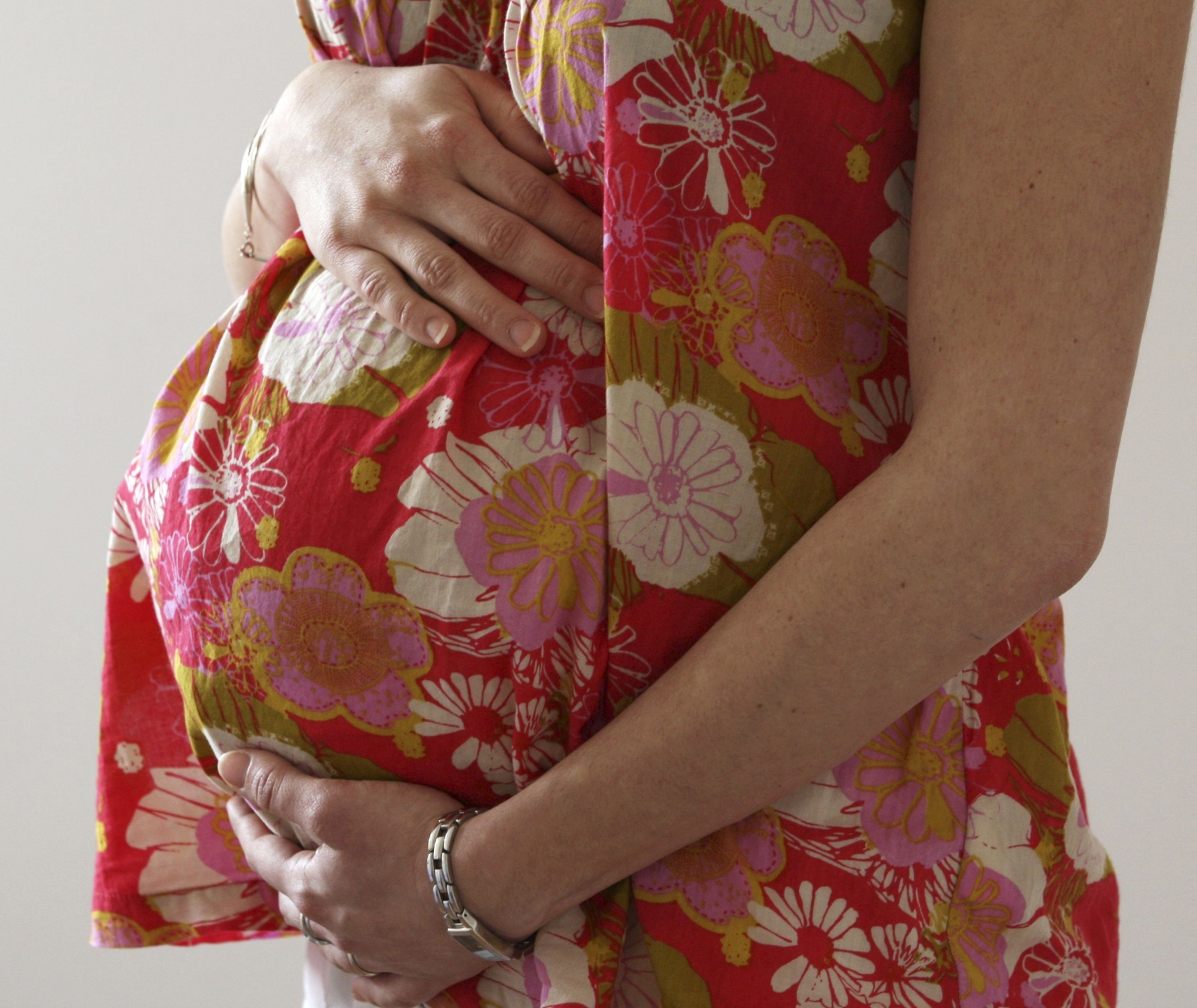
Woman born without a uterus gave birth to US’s first baby after a womb transplant - Representational image

The 36-year-old reportedly went through extensive screening about both her physical and mental health before getting agreement for the trial, which requires a surgery and about 12 weeks of recovery.

Baylor stated that the transplant procedure typically takes ten hours – about five hours for the wombs to be removed from the living donors, and another five to transplant.

Though Siler does not know the new mother, she said when the hospital informed her about the delivery she has just been crying and "getting teary thinking about it".

"I think about her every day and I probably will for the rest of my life," she added.

SOURCE: IBITIMES

Monday, November 27, 2017

Fruits That Increases Miscarriage

We are familiar with various fruits and we are in position to know that fruits are very good for the body and good for the health as told by the health expert. But considering this facts,  pregnant women should be very careful. 

In the first 3 months of pregnancy, pregnant women that have morning sickness often eat fruits to reduce symptoms of morning sickness. Some people consider eating fruits as a way to provide important nutrients. However, mothers should know that some fruits among foods that you provide for your body every day can cause high risk of miscarriage.

The following fruits should be avoided by pregnant women:

Pineapple

According to health researchers, in the first 3 months of pregnancy, pregnant women shouldn’t eat and drink fresh pineapple or pineapple juice because this kind of fruit can cause spasm for uterus and as a result, it will lead to miscarriage, diarrhea or allergy for pregnant women. The reason is that fresh pineapple contains Bromelain that can make uterus become soft and it will create substance that can destroy foetus.

In the first 3 months of pregnancy, pregnant women shouldn’t eat and drink fresh pineapple or pineapple juice.

However, if it’s past anticipating date of giving birth, pineapple can be useful for you. But, it doesn’t mean that using pineapple to stimulate giving birth because each of the fresh pineapple only contains a small amount of Bromelain. If you eat 7 pineapples per day, you can recognize spasm of uterus.

Longan

According to oriental medicine, longan has sweet taste. It is very useful, helps you tranquillize. Many people like longan; however, pregnant women shouldn’t eat this kind of fruit a lot. The reason is that pregnant women often have inside hot phenomenon, foetal derangement, bleed and have bellyache, have pain in low belly. It can even cause harm for fetus and lead to miscarriage.

In pregnancy, pregnant women shouldn’t take this much of this fruit.

Camellia

Camellia has sweet, acrid, sour taste, so it is very suitable with pregnant women that have morning sickness. However, this kind of fruit isn’t really good for pregnant women. According to result of many documents, camellia has effect in making uterus excited, it can improve uterus to pulsate. As a result, it can lead to miscarriage and premature birth.

Camellia isn’t really good for pregnant women.

Green papaw

Many researches show that green papaw or papaw that isn’t ripen completely contains a lot of enzymes and pus. They can make uterus have spasm, and as a result, it will cause miscarriage. Moreover, green papaw contains prostaglandin and oxytocin that are necessary for the body to start for time when babies are born. So if you eat green papaw, you can have miscarriage when it isn’t time for giving birth.

However, ripen papaw is good for pregnant women. Therefore, mothers shouldn’t consider ripen papaw as green papaw and abstain both of them.

Early Symptoms Of Heart Attack In Women


WebMD explains that female heart attack symptoms is greatly differ from male heart attack symptoms, therefore it is extremely important for all women to consult with a medical professional if they experience a typical symptoms, such as nausea, back or shoulder pain, sweating and dizziness.

According to MedlinePlus, some women experience heart attack warning symptoms for weeks before seeking medical treatment. In certain cases, doctors do not even recognize the typical warning signs in female patients, which include indigestion, fatigue, anxiety and nausea. Chances of surviving a heart attack improve if the individual seeks help quickly. MedlinePlus states that typically, American men and women wait at least two hours before calling 911 when experiencing heart attack symptoms. Women lower their risk of heart attack by adopting a healthy lifestyle that includes maintaining a healthy weight, eating a healthy diet and exercising regularly. Healthy lifestyles help to balance out high cholesterol levels, which are a risk factor in heart attacks.

Sunday, November 19, 2017

​Menstrual Symptoms That May Signal A Serious Health Problems


Be aware of these irregularities when on your Period

Your period is a part of your life. And you’re probably well aware of what is and isn’t normal for your flow. While most women have some variation with their periods, if something is off down there, you know it.

It can be hard to know whether things are just weird one month or if you’re experiencing something that should be flagged for your doctor. Just know this: Your period can tell you more than you realise. “Periods are a pretty good indicator of gynaecological health,” says Dr. Christine Greves, a gynae n at the Winnie Palmer Hospital for Women and Babies. Basically, if something is wrong down there, it’s likely that your period will be affected.

Again, somethings periods just get out of whack and it’s no biggie. But it’s a good idea to let your doctor know if you experience any of these symptoms:

You Pass Big Blood Clots Regularly

Having the odd clot during your period is normal, but if you’re consistently having blood clots that are large (think: golf ball-sized), it could be a sign of uterine fibroids, non-cancerous growths that can develop in your uterus, says Dr. Jessica Shepherd, an assistant professor of clinical obstetrics and gynaecology and director of minimally invasive gynaecology at the University of Illinois College of Medicine.

Soaking A Tampon Or Pad In Less Than An Hour

This is more than annoying: Bleeding this heavily could be an indication that you have polyps in your uterus or uterine fibroids, says Shepherd. If you experience shortness of breath and dizziness with heavy bleeding, you need to see a doctor ASAP, Greves says. This could be a sign that you’re anaemic and may have a hormonal imbalance that needs to be corrected in order to stop or slow the bleeding.

Your Period Lasts Longer Than Seven Days 

There are plenty of things that can make this happen, including stress, Shepherd says, and some women just have long periods. But if it’s not normal for you, a longer-than-normal period can also be due to polycystic ovary syndrome (PCOS) and uterine polyps. “In a worst-case scenario, it could be uterine cancer,” she adds. Basically, you don’t want to ignore this.

Your Cycle Is Less Than 20 Days 

Again, everyone’s cycle is different but if you’re suddenly having short cycles, it could be a sign of ovulatory dysfunction or a thyroid disorder, Greves says. It could also indicate PCOS and uterine polyps, which can cause “weird, irregular bleeding,” Shepherd says.

Missed A Period But Aren’t Pregnant Or Breastfeeding 

If you’ve been under a lot of stress or are doing a lot of high-intensity exercise, that can cause you to miss a period, Shepherd says. But thyroid issues can also make your period stop. If you miss a period and don’t have pain, you’re probably OK to wait it out. But if you keep missing periods, Greves says you need to call your doctor. It could be a sign of a hormonal imbalance that needs to be fixed.

Saturday, February 06, 2016

Brazil Pregnant Women Urged to Be Cautious with Kissing


Health officials on Friday warned pregnant women to think twice about the lips they kiss and called on men to use condoms with pregnant partners if they have visited countries where the virus is present.

Tuesday, February 02, 2016

Difficult Pregnancy May Warn of Future Cardiovascular Risk

Cardiovascular diseases – heart disease and stroke – claim the lives of 1 out every 3 women, but many aren't aware of their risk.

Thursday, January 07, 2016

100 women die daily in Northern Nigeria during childbirth, says UNFPA

 Ms Ratidzai Ndhlovu, Nigeria Country Director of United Nations Population Fund ( UNFPA), says no fewer than 100 women die daily across Northern Nigeria during childbirth.

Friday, January 01, 2016

Notorious teacher sex scandals

Brianne Altice, a former Utah high school English teacher, faced three separate trials over allegations she had sex with three male students.

An orgasm a day can keep prostate cancer risk at bay


 A recent study has pointed out that men, who have an orgasm every day, have a lower risk of prostate cancer than men who do not ejaculate regularly, according to a new study.

Friday, December 25, 2015

25 diseases and medical conditions that can be cured by simply having sex

Sex often leads to deadly diseases and subsequent death if done wrongly, however, when a faithful couple engages in sex at the right time, in the right way, it is said to be a remedy for curing lot’s of diseases and medical conditions.

Sunday, December 13, 2015

Should Moms Who Smoke Weed Continue to Breast-feed?

Woman smoking pot: During the past 10 years, research finds that U.S. marijuana use has more than doubled, with about 9.5 percent of Americans​ saying they've used it in the past year.

Dr. Torri Metz,​ an obstetrician specializing in high-risk pregnancies at the University of Colorado Hospital and Denver Health Medical Center, says that increasingly, patients are disclosing a potentially concerning habit: They’re using marijuana ​while pregnant and breast-feeding.

Having Sex Twice in a Row May Increase Your Chance of Getting Pregnant


A small study of 73 women from North Middlesex Hospital in London found that artificial insemination was over three times as successful when using the second of two sperm samples collected within the same one-hour period.

Thursday, December 03, 2015

This Is What I Went Through After My Ex Posted My Naked Pictures On Facebook (Photo)


A revenge porn victim has told how she was left humiliated when her ex-boyfriend posted explicit photographs of her on Facebook.

Tuesday, December 01, 2015

States Lead Effort to Let Pharmacists Prescribe Birth Control


Groundbreaking laws in two Western states will soon make access to birth control easier for millions of women by allowing them to obtain contraceptives from pharmacists without a doctor’s prescription.

Saturday, November 21, 2015

Foods That Fight Wrinkles And Anti-aging


If you’re sad over your dull, dry winter skin and fine lines and wrinkles, don't worry.

Sunday, November 15, 2015

Why Women Like Bad Boys

There's a reason why women are attracted to bad boys, and it's not (just) their sweet leather jackets. It's science.

Contact Form

Name

Email *

Message *